How to Clean Car Floor Mats Without Causing Damage
Car floor mats take the hardest hit in your vehicle’s interior. They deal with mud, spilled drinks, sand, rainwater, snow, and especially road salt during New Jersey winters. Over time, rubber and plastic mats start looking faded, sticky, or permanently stained no matter how often you rinse them. The good news is, you can clean them properly without ruining the material; you just need the right method and a little patience. In this article, you’ll learn how to safely clean your car floor mats, avoid common mistakes, and keep them looking new for longer.
Floor Mats Get Dirty Easily
Floor mats are designed to take abuse, but they also trap everything that enters your car. Common causes of buildup include:
- Mud and dirt from shoes
- Rainwater and moisture
- Road salt during winter
- Food crumbs and spills
- Sand, dust, and debris
Winter road salt is one of the biggest reasons mats become discolored and rough over time. Once salt dries into the surface, it becomes harder to remove with a simple rinse.
Cleaning Rubber vs Plastic Floor Mats
Before cleaning, it helps to understand your mat type. Rubber mats are more flexible and usually have deeper grooves that trap dirt. They are durable but can become slippery or sticky if cleaned with the wrong products.
Plastic or all-weather mats are more rigid and may develop a faded or chalky appearance if exposed to harsh chemicals. Both require gentle cleaning methods to maintain their texture and finish.
Step 1: Remove the Mats Completely
Always start by taking the mats out of the vehicle. Cleaning them inside the car causes dirt, water, and chemicals to spread onto carpets and seats. Removing them also allows you to clean both sides properly, including the underside where grime often builds up unnoticed.
Step 2: Shake and Rinse Off Loose Dirt
Before scrubbing, remove as much loose debris as possible. Shake each mat firmly and rinse it with water. This helps remove sand, dust, and surface dirt that could scratch the material during cleaning. Avoid high-pressure sprays at close range, as they can damage the texture over time.
Step 3: Use a Gentle Automotive Cleaner
This is where many people go wrong. Household cleaners, bleach, or degreasers can be too harsh for rubber and plastic mats. They may cause fading, cracking, or a sticky finish.
Instead, use a pH-balanced automotive cleaner or interior-safe shampoo. These products break down dirt without damaging the surface. Apply the cleaner evenly and let it sit for a short time to loosen grime.
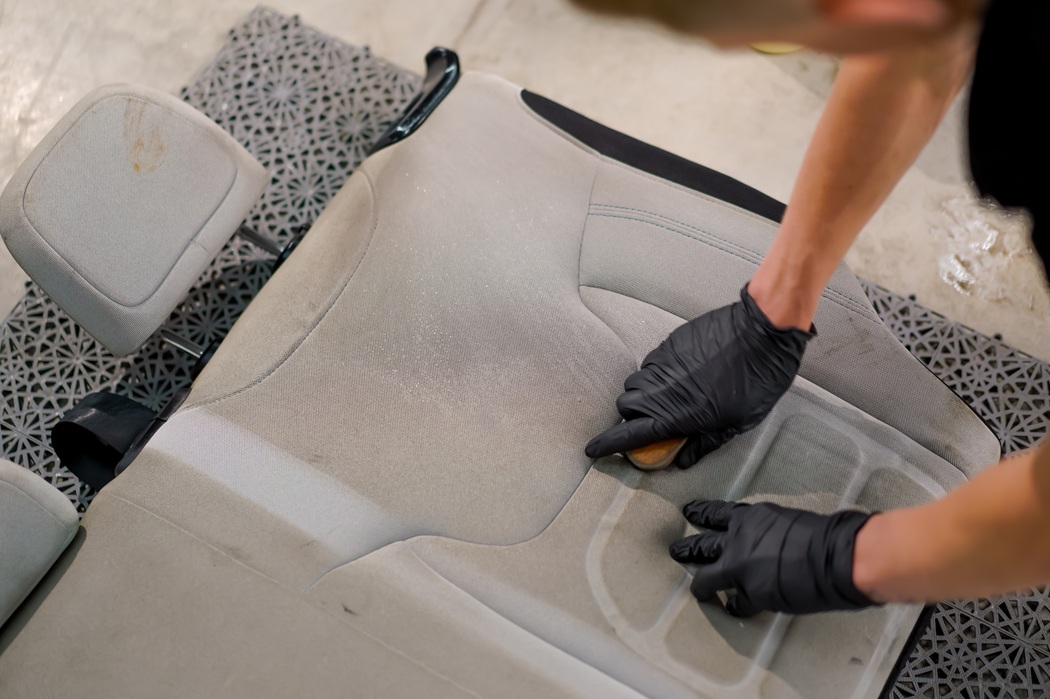
Step 4: Scrub With a Soft Brush
Use a soft-bristle brush to clean grooves and textured areas. Focus on areas where dirt is embedded, especially heel marks and edges. Avoid wire brushes or overly stiff bristles, as they can scratch or wear down the material. A circular motion works best for lifting grime without damaging the surface.
Step 5: Rinse Thoroughly and Dry Properly
Once cleaned, rinse the mats completely to remove all soap residue. Leftover cleaner can make mats slippery or attract more dirt later. After rinsing, air dry them fully before placing them back in the car. Placing damp mats inside can lead to odors and moisture buildup in your interior.
Common Mistakes That Damage Floor Mats
Many drivers unintentionally shorten the life of their mats by:
- Using bleach or harsh chemicals
- Scrubbing too aggressively
- Leaving mats wet inside the car
- Not cleaning the underside
- Using household detergents
These mistakes can lead to fading, cracking, and reduced durability over time.
When Professional Cleaning Makes a Difference
Sometimes mats need more than a quick wash. If they are heavily stained, covered in salt buildup, or have stubborn dirt trapped in grooves, professional interior detailing can restore them more effectively. Professional cleaning helps:
- Remove deep-set grime
- Restore texture and appearance
- Eliminate odors caused by moisture
- Prevent long-term damage
Interior Detailing in Morris County
CAB Detailing NJ provides mobile interior detailing services across Morris County, including Morristown, Parsippany, Randolph, Dover, and surrounding areas. Services include deep interior cleaning, floor mat restoration, stain removal, and odor treatment, all done at your location with water and power provided. We come to your vehicle location equipped with everything needed. Call us today at 862-260-4178 to enjoy a hassle-free car detailing.
FAQs
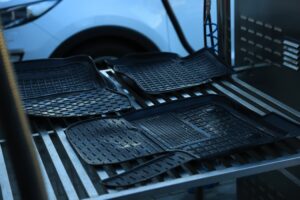
How Often Should You Clean Floor Mats
Cleaning frequency depends on driving conditions. For most drivers, a deep clean every few weeks is enough. However, in winter or rainy seasons, more frequent cleaning is needed due to salt and moisture buildup.
Can you put rubber floor mats in a washing machine?
No, rubber floor mats should not be placed in a washing machine. The heat and tumbling action can damage their shape and reduce durability over time. It’s always safer to clean them manually with water and appropriate cleaning products.
Why do car floor mats become slippery after cleaning?
Floor mats often become slippery when soap residue is left behind after cleaning. This residue creates a thin film on the surface that reduces grip. Proper rinsing and full drying help restore safe traction.
How do you stop rubber floor mats from fading?
Fading usually happens due to UV exposure and harsh cleaning chemicals. Parking in shaded areas and using mild, automotive-safe cleaners can help preserve their color.
Can floor mats trap bad smells inside a car?
Yes, floor mats can hold moisture, dirt, and bacteria that contribute to odors. This is especially common after rain or snow exposure. If not cleaned and dried properly, they can become a source of persistent smells.