Preventing Car Mold and Mildew After Rainy Weather
If you’ve ever opened your car door after a storm and caught that musty, damp smell, you’re not alone. For many North Jersey drivers, heavy rain means soaked floor mats, fogged windows, and moisture that just won’t go away. The real problem comes days later when that trapped moisture turns into mold and mildew, spreading through your carpets, seats, and even your air vents. Once it sets in, no air freshener can hide it. The best way to keep your car dry, clean, and healthy is with the right moisture prevention strategy or a deep interior detailing service that eliminates hidden dampness before it causes lasting damage.
Why Mold Forms After Heavy Rain?
Cars are designed to resist water intrusion, but New Jersey’s intense downpours and humid summers push interiors to their limits. Even a small leak or cracked window seal can let in enough water to trigger mold growth within 24–48 hours.
Mold spores thrive in:
- Dark, warm areas like under carpets or seats
- High humidity, especially in enclosed vehicles
- Organic debris, such as dirt or spilled drinks, feeds bacteria
Once mold begins growing, it spreads quickly through ventilation systems, producing that familiar stale odor in your car and potentially triggering allergies or respiratory irritation.
Top Areas Where Moisture Hides After Rain
| Area | Why It’s a Problem | Prevention Tip |
| Floor mats & carpets | Trap water and debris, leading to mildew growth | Use rubber mats during wet months; remove and dry after storms |
| Door seals & weather stripping | Worn or cracked seals let rain seep in | Inspect and treat seals with silicone protectant |
| Trunk liner & spare tire well | Water pools in low areas unnoticed | Check the trunk after rain; keep the drain holes clear |
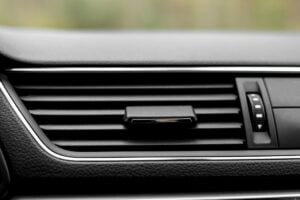
| Air vents & HVAC system | Moisture circulates, causing musty odors | Run the fan on fresh air mode to dry vents after storms |
| Headliner (roof lining) | Leaks from the sunroof or door frames can drip inside | Clear sunroof drains regularly |
Immediate Steps After Heavy Rain
- If your car got soaked, acting fast can stop mold from forming:
- Remove standing water with towels or a wet/dry vacuum.
- Open windows briefly to circulate air (when weather allows).
- Run the heater or A/C on full blast to evaporate trapped moisture.
- Pull out floor mats and let them dry completely.
- Use moisture absorbers or baking soda to capture lingering humidity.
Avoid shutting your car up tight while it’s still damp that traps humidity and accelerates mold growth.
Interior Detailing Is the Best Long-Term Solution
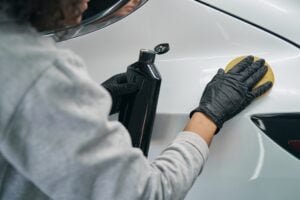
Professional interior detailing goes beyond surface drying. CAB Detailing NJ uses advanced steam cleaning, hot water extraction, and odor-neutralizing treatments to sanitize deep within fabrics and vents. This process eliminates:
- Hidden moisture beneath carpets and seats
- Mold spores before they spread
- Musty odors caused by mildew buildup
- Contaminants like road salt or dirt that trap water
Steam cleaning, in particular, is powerful: high heat kills bacteria and spores on contact while removing moisture safely, without oversaturating your interior.
Seasonal Mold Prevention Tips for NJ Drivers
Spring & Summer: Keep A/C filters clean to reduce humidity inside.
Fall: Vacuum out leaves and debris that hold moisture near vents or door seals.
Winter: Rinse off salt and snowmelt regularly, as they both trap moisture that leads to mildew.
All Year: Park under cover or use a windshield shade to minimize condensation buildup.
New Jersey weather can change fast from humid summer storms to salt-heavy winter slush, and moisture in your car never disappears on its own. If you suspect dampness or notice a musty smell, schedule a mobile interior detailing with CAB Detailing NJ today. We bring water, power, and professional tools directly to your driveway to keep your car fresh, dry, and mold-free. Call 862-260-4178 or email info@cabdetailingnj.com to book your appointment.
FAQs
How can I tell if my car has mold after rain?
Look for visible spots on fabric, a persistent musty odor, or foggy windows that keep reappearing. Mold can also hide in HVAC vents or under floor mats.
Can I use household cleaners to remove mold from my car?

It’s risky. Most household cleaners aren’t designed for car interiors and can discolor fabrics. Professional-grade cleaners and steam treatment are safer and more effective.
Will leaving windows open prevent mold?
It helps briefly after rain, but leaving windows open overnight in humid weather can make things worse. Use controlled airflow and dehumidifying products instead.
How often should I detail my car to prevent mold?
Every 4–6 months, especially after wet seasons. Regular detailing removes trapped dirt and moisture that feeds mold growth.